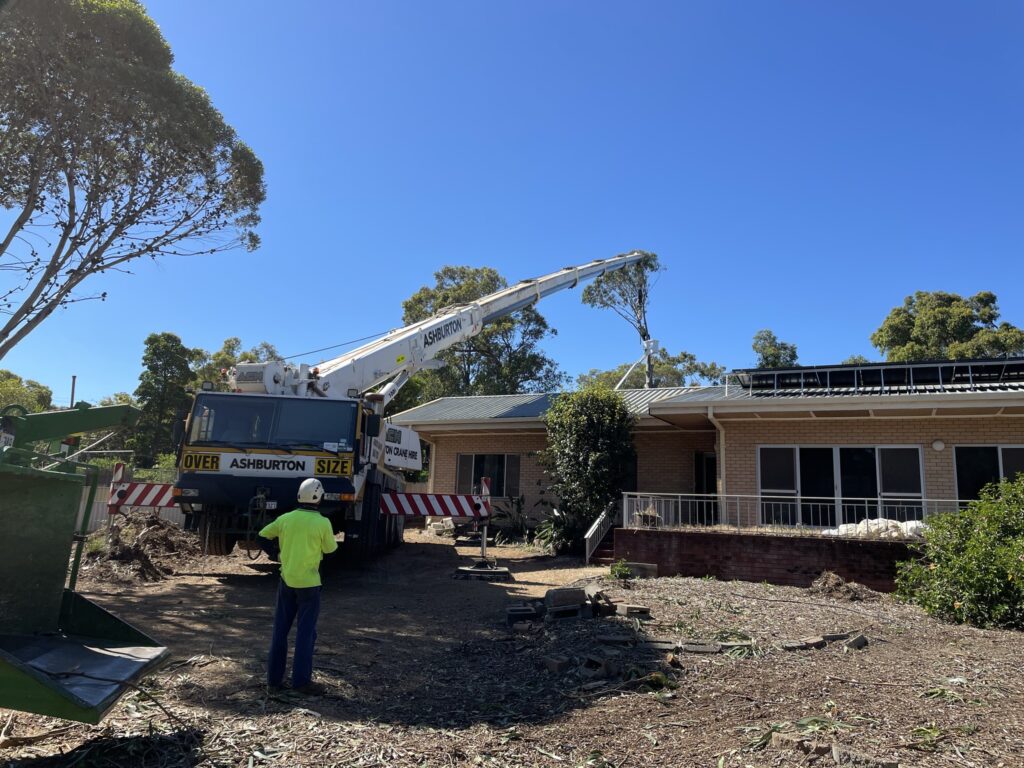
Trees are an important feature of many residential landscapes, providing shade, privacy, visual appeal, and environmental benefits. However, as trees mature, they can sometimes outgrow their surroundings and require professional management to maintain both their health and their suitability for the property. When performed correctly, tree lopping can help control excessive growth while supporting the long-term condition of the tree.
Professional tree care involves much more than simply reducing branch length. Effective tree management often combines tree lopping, tree pruning, canopy management, tree trimming, and arborist services to achieve healthier growth and improved property safety. Understanding how these services work together can help property owners make informed decisions about maintaining mature trees.
How Tree Lopping Services Help Manage Tree Size
Tree size management is one of the most common reasons property owners seek professional tree care services.
Managing Overgrown Trees Around Residential Properties
As trees continue to grow, branches may begin extending over:
- Roofs
- Driveways
- Fences
- Outdoor entertainment areas
- Neighbouring properties
- Utility corridors
Tree lopping services can help reduce excessive growth and restore appropriate clearances while maintaining the tree’s overall functionality within the landscape.
Tree Size Management Supports Property Usability
Large trees can sometimes restrict sunlight, reduce access to outdoor spaces, and create ongoing maintenance concerns. Proper tree management helps maintain a balance between preserving valuable trees and ensuring they remain suitable for their environment.
Tree Lopping, Tree Pruning, and Tree Trimming Work Together
Many property owners assume tree lopping is a standalone service, but it is often combined with other tree care practices.
Tree Pruning Supports Healthier Growth
Tree pruning focuses on improving branch structure, removing problematic growth, and encouraging healthier development.
Benefits of tree pruning may include:
- Improved tree health
- Better canopy balance
- Reduced branch congestion
- Improved airflow
- Enhanced structural development
Tree Trimming Helps Maintain Appearance
Tree trimming helps control seasonal growth and maintain an attractive canopy shape while reducing excessive branch spread.
Professional Tree Care Creates Better Long-Term Results
For many properties, working with professional tree lopping Forrestfield services helps ensure that tree size management is carried out alongside broader tree health objectives. This integrated approach often delivers more sustainable results than simply reducing canopy size alone.
Canopy Management and Crown Reduction Support Tree Health
Canopy management plays a major role in maintaining healthy and structurally sound trees.
Crown Reduction Helps Control Excessive Growth
Crown reduction involves reducing the overall size of the canopy while preserving the tree’s natural shape.
Potential benefits include:
- Reduced canopy weight
- Improved structural balance
- Better property clearance
- Reduced wind resistance
- Enhanced tree stability
Crown Thinning Improves Growing Conditions
Crown thinning removes selected branches throughout the canopy to improve internal growing conditions.
Benefits may include:
- Better airflow
- Increased sunlight penetration
- Reduced moisture build-up
- Improved foliage health
- Enhanced canopy performance
Arborist Services and Tree Health Assessments Improve Tree Management
Not all trees respond to management techniques in the same way. Professional assessments help determine the most suitable approach for each tree.
Tree Inspections Identify Potential Issues Early
Tree inspections can help identify:
- Structural defects
- Disease symptoms
- Pest activity
- Branch weaknesses
- Root-related concerns
Early intervention often helps prevent more significant tree problems from developing.
Tree Health Assessments Support Better Decision-Making
Tree health assessments provide valuable insights into the overall condition of a tree and help guide future tree maintenance recommendations.
Tree Maintenance Helps Reduce Future Tree Problems
Regular tree maintenance can help preserve tree health while reducing safety risks and future management costs.
Ongoing Tree Care Supports Healthier Trees
Routine tree maintenance may help:
- Improve tree structure
- Encourage balanced growth
- Reduce branch failure risks
- Support canopy development
- Extend tree longevity
Residential Tree Care Protects Property Investments
Well-maintained trees are more likely to remain healthy, attractive, and safe throughout their lifespan, providing long-term benefits for residential properties.
Tree Risk Assessments and Property Safety Considerations
Tree management is not solely about appearance. Safety remains an important consideration when managing mature trees.
Managing Risks Associated With Large Trees
Potential concerns may include:
- Overhanging limbs
- Excessive canopy weight
- Storm-damaged branches
- Structural weaknesses
- Encroachment on structures
Professional arborist services can help identify these issues and recommend appropriate management strategies.
Preventative Tree Care Reduces Hazard Risks
Addressing tree concerns early through canopy management, tree pruning, and tree maintenance can often help minimise future property risks.
Invest in Professional Tree Care to Maintain Healthy and Manageable Trees
Maintaining the right balance between tree size and tree health requires more than occasional branch cutting. Effective tree management often involves a combination of tree lopping, canopy management, tree pruning, tree trimming, arborist inspections, and ongoing tree maintenance to ensure trees remain healthy, structurally sound, and appropriate for their surroundings.
Whether your goal is controlling excessive growth, improving tree health, enhancing property safety, or maintaining an attractive landscape, proactive tree care can provide long-term benefits. Through professional arborist services and strategic tree management practices, property owners can support healthier trees while ensuring their outdoor spaces remain safe, functional, and visually appealing for years to come.
